The Shift in College Football Fandom Amidst Economic Changes
How the NIL and transfer portal are reshaping the emotional bonds between fans and players in college football.


For much of its past, being a college football fan involved investing in the long haul. The most dedicated supporters tracked their team’s potential recruits well before they set foot on campus. They actively followed message boards and recruitment sites, monitoring every offer a desired player received and where he was visiting.
Once a player committed to their school, fans envisioned his future. They witnessed the awkwardness of his freshman year, the emergence of promise, the leap in his sophomore year, and ultimately his growth into a well-known figure within their fandom.
This bond, though informal, was understood: the school secured several years of eligibility, and fans enjoyed continuity. They became invested not just in uniforms but in the individuals wearing them.
However, this dynamic is being disrupted by the transfer portal. This offseason, for instance, Washington quarterback Demond Williams Jr. initially agreed to stay but later considered entering the portal, eventually returning to fulfill his commitment.
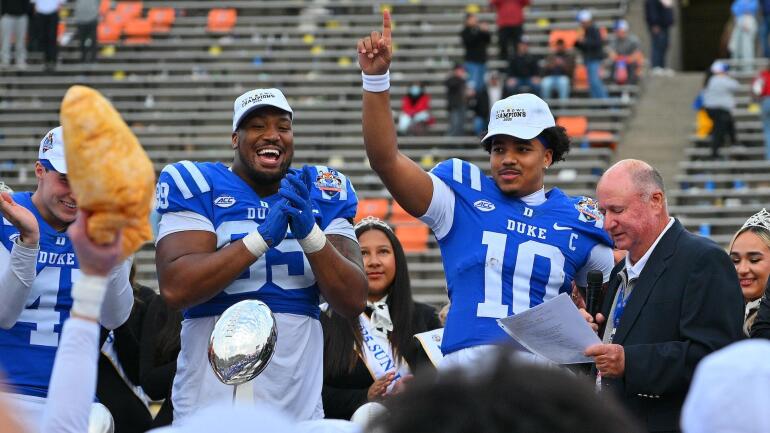
His indecision alienated many fans, leaving both parties in a complex relationship. Similarly, Duke’s Darian Mensah faced a lawsuit after also contemplating the transfer portal after previously agreeing to stay.
This raises the question: How does such uncertainty affect fan relationships with players? Traditionally, while the bond may have been idealized, it was rooted in a mutual commitment. Now, fans might feel less attached, knowing that players may leave for better deals, reducing investment in personal connections.
Empowering players through initiatives like NIL is undoubtedly beneficial, but it inadvertently disempowers fans. Each season often introduces new players, significantly challenging the emotional ties fans once cherished. Fans are now more focused on financial aspects, such as NIL collectives and donor contributions, overshadowing their enthusiasm for individual player skills.
Thus, while fans will continue to adapt to these changes, the concern remains whether the essence of college football fandom remains intact or fades away, impacting their lasting affection for the sport.