Analyzing Eight Strong Contenders for the NCAA Championship
A detailed analysis of the top eight teams capable of winning the NCAA Tournament title, examining their strengths and weaknesses.


We are just over four weeks away from the highly anticipated start of the NCAA Tournament, often compared to an extensive assignment designed to prepare for the impending challenge ahead. As we approach this pivotal moment, the excitement builds, and the questions arise: How many teams genuinely stand a chance to claim the tournament title? Currently, my forecast includes eight teams. Let’s explore the merits and shortcomings of each.
1. Michigan
Pros: Michigan possesses a robust nine-man roster featuring six former top-50 recruits, including five-star transfer Yaxel Lendeborg. With exceptional flexibility and teamwork on both ends of the court, they transition effectively and can score from anywhere. Offensively, they have numerous scoring leaders, indicating a varied approach.
Cons: Despite their strengths, Michigan sometimes struggles with rebounding, and critical aspects like 3-point shooting and turnover rates could hinder their success.
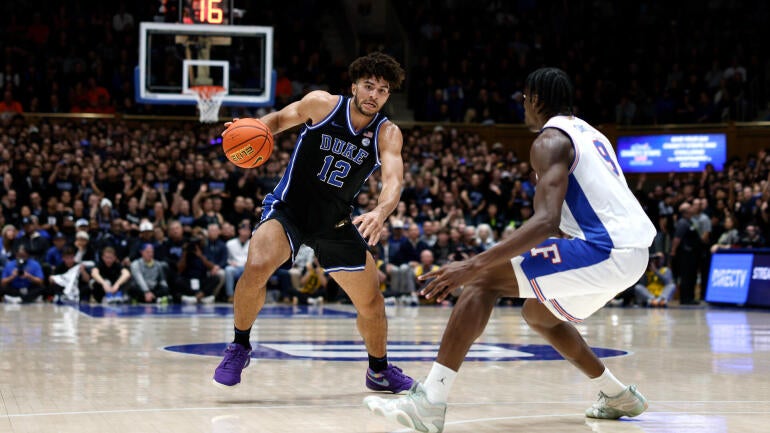
2. Duke
Pros: Under Jon Scheyer, Duke’s roster, featuring standout players like Cameron Boozer and Isaiah Evans, thrives on creativity and can adapt seamlessly in offensive setups, generating numerous high-quality shots.
Cons: Concerns linger regarding the point guard and center positions, where Duke must ensure stronger performances to advance in the tournament.
3. Arizona
Pros: Arizona stands out with its physical play style, with significant contributors like Jaden Bradley enforcing solid front-line defense and offensive rebounding, making them a formidable force.
Cons: Their offense struggles if they cannot dictate the pace, as evidenced by their inconsistent perimeter shooting, resulting in teams packing the paint against them.
4. Houston
Pros: Houston features one of the strongest backcourts in the nation with players like Kingston Flemings and Milos Uzan, ensuring potent halfcourt offense.
Cons: With only a quarter of their possessions resulting in shots at the rim, they rely heavily on jump shots, which may pose a risk during critical tournament phases.
5. Illinois
Pros: The Illini’s combination of skill, size, and shooting allows them to consistently dominate offensively. Their ability to adapt to defensive schemes makes their offense particularly challenging to halt.
Cons: Challenges arise when defending against quick guards, as their athleticism sometimes falters against speedier opponents. Kylan Boswell will play a crucial role in addressing these issues.
6. Florida
Pros: Florida embraces a strong, physical style of play, epitomized by its robust rebounding strategies and solid defense from players like Boogie Fland.
Cons: However, consistent shooting remains a concern, evidenced by underwhelming performances that could lead to early tournament exits.
7. Iowa State
Pros: Featuring players like Joshua Jefferson, Iowa State combines depth with tenacity, improving their chances with standout playmakers.
Cons: Vulnerabilities occasionally appear in their rebounding and contesting shots, particularly from the arc, requiring boosted performance from their guards.
8. UConn
Pros: UConn showcases a dynamic offense capable of dismantling any defense, driven by players like Alex Karaban.
Cons: Defensive lapses and a lack of physicality may hinder their overall effectiveness, especially against robust teams in the tournament.
Just missing the top eight are teams like Kansas and Texas Tech among others.