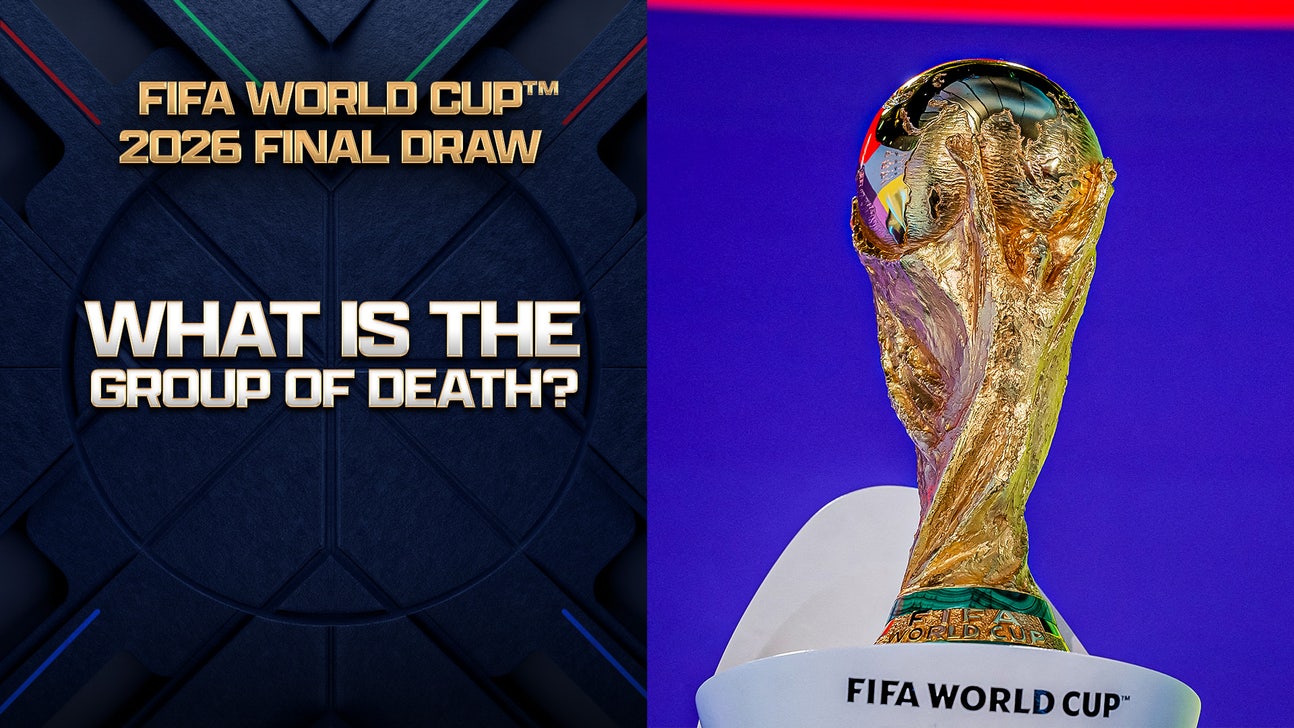


The Group of Death is a term that signifies the group with the utmost level of competition in the FIFA World Cup, evaluated through factors like FIFA World Ranking and the overall talent in matchups.
Origin of the Term
The phrase ‘Group of Death’ was first utilized during the 1970 FIFA World Cup. Mexican journalists referred to the group that included England, Brazil, Romania, and Czechoslovakia as ‘El Grupo de la Muerte’. At that time, England was the reigning champion and Brazil featured star player Pelé.
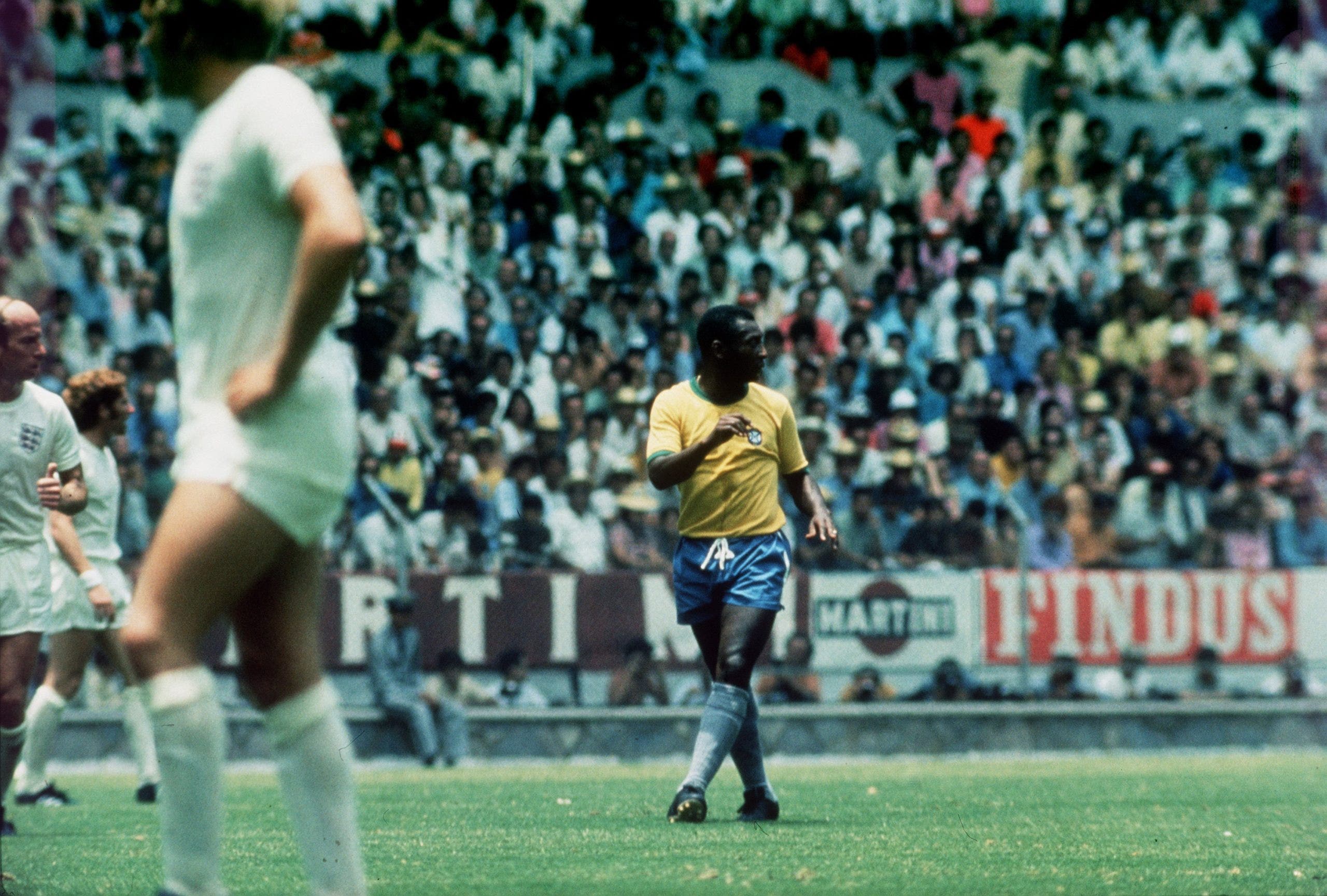 Pele in action against England during the 1970 FIFA World Cup. (Photo by Syndication International/Mirrorpix via Getty Images)
Will There Be a Group of Death in 2026?
With the 2026 tournament expanding to 48 teams, multiple groups may qualify as ‘groups of death’. The delineation of these groups will occur during the World Cup draw on December 5 at the John F. Kennedy Center in Washington, D.C. Coverage starts at 11:30 a.m. ET on FOX.
Historical Notable Groups of Death
- 1982: Group C: Italy, Brazil, Argentina
- 1986: Group E: Germany, Uruguay, Denmark, Scotland
- 2002: Group F: Argentina, England, Sweden, Nigeria
- 2006: Group C: Italy, Ghana, USA, Czech Republic
- 2014: Group G: Germany, Portugal, USA, Ghana
Want tailored news delivered directly to your inbox? Create or log in to your FOX Sports account.