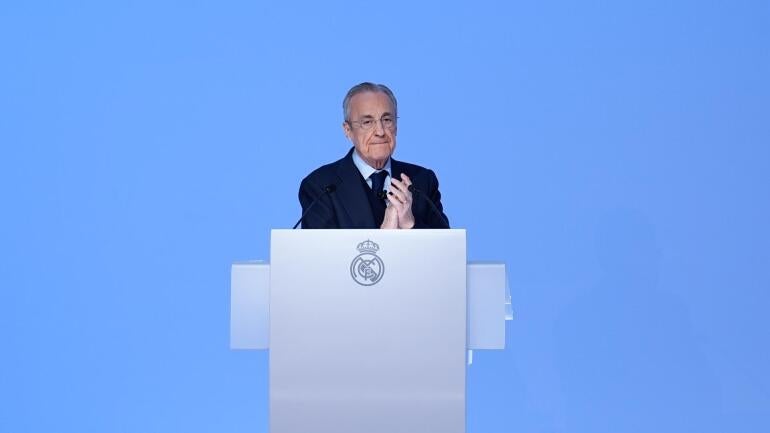


The European Super League project has officially concluded. It took nearly five years to reach this end, marked by the recent announcement from Real Madrid and UEFA, which confirmed that an agreement was established this week, effectively cancelling any plans for an alternative football competition in Europe.
Announcement Details:
“Following months of discussions conducted in the best interests of European football, UEFA, European Football Clubs (EFC), and Real Madrid CF announce that they have reached an agreement of principles for the well-being of European club football…” Translation: This announcement emphasizes the importance of sporting merit and long-term club sustainability while enhancing fan experience through technology.
What was the Super League?
The European Super League was intended as a new soccer tournament launched in April 2021 by twelve significant clubs in Europe. Its aim was to compete with, and potentially replace, the UEFA Champions League. The founding members included:
- Real Madrid
- Barcelona
- Atletico Madrid
- Manchester United
- Manchester City
- Liverpool
- Chelsea
- Arsenal
- Tottenham
- Juventus
- AC Milan
- Inter
Originally seen negatively by many fans globally, the Super League proposed a closed format ensuring permanent positions for founding clubs, limiting access for others based on domestic performance. This move raised concerns over diminishing the value of national leagues, particularly amongst smaller clubs. The initial agreement faced backlash from both teams’ coaches and players, which amplified the discontent among fans across Europe.
With PSG and Bayern Munich opposing the venture, the initiative’s main proponents, Real Madrid’s Florentino Perez and ex-Juventus chief Andrea Agnelli, encountered resistance that led to widespread withdrawals from the project within just days of its announcement. Peppered with reactions from players like Bruno Fernandes of Manchester United, who actively voiced their opposition through social media.
The massive discontent culminated when Jurgen Klopp, Liverpool’s manager, vocally criticized the plan, stating:
“I hope this Super League will never happen… for me, the Champions League is the Super League.”
Translation: He notes the current Champions League already provides unpredictability and excitement in football.
In December 2023, the European Court of Justice hinted that a ban on the Super League could breach European Union regulations.
Why did it fail?
The vehement backlash from fans, players, and coaches solidified the downfall of the Super League, resulting in all six English clubs retracting their participation within 48 hours of the announcement. The poor planning and overall organization contributed to a swift demise. Manchester City was first to withdraw, signaling a victory for the opposition.
Eventually, with continuing negative views, Real Madrid, the last remaining club, officially abandoned the project in February 2026, shortly after Barcelona followed suit, marking the end of the brief Super League saga.